The first election I really remember was the ‘96 election, Dole vs. Clinton. I was too young to vote, but I remember former Vice President Dan Quayle visiting my middle school in South Carolina. The adults were thrilled to see him, like he was some kind of pop star (we were a conservative stronghold, so it figures). And I remember everyone being so sure Dole was going to win… until he didn’t. I didn’t know enough about either man’s policies, but I did think Clinton was cooler, and cooler meant better. I mean, the man played the sax on Arsenio!
Four years later, my grandfather and I stayed up late into the night watching the news anchors call the election, then take it back. It was the first presidential election I was actually interested in. I missed being old enough to vote by a few months, but I knew who I supported and why. For days, then weeks, I was glued to the hourly coverage of hanging chads in Florida, right up until the Supreme Court decision that ended the recount. The excitement, the angst, all of it so emotionally charged. If this was what politics was about, I wanted more of it.
Bush vs. Kerry was the first presidential election I could actually take part in, and I couldn’t have been more excited to cast my ballot. By then I was a junior in college, and since my mom had recently followed me to Atlanta, I could vote near campus as a Georgia resident. You know the high school from Remember the Titans? That’s where I voted (or at least the school where it was filmed): North Druid Hills High School, just steps from my college apartment. My then-girlfriend, now wife, voted absentee since she couldn’t get back to Baltimore. It was the first time I’d ever heard of an absentee ballot. It wouldn’t be the last.
In 2008, we made history in more ways than one. Samantha and I had closed on our first home just a few months before the housing market crashed, and then we headed to the polls to help elect our country’s first Black president. It was the first election where I knew I was making history, though I couldn’t fully appreciate the size of the moment until years later. (Unlike some previous elections, it wasn’t a late night. We knew the results pretty early.) The next day I went into work at our fairly progressive, mission-driven nonprofit, and everyone was on cloud nine. It was the first time I saw politics show up in my everyday working life. Later that day I visited schools, and I’ll never forget walking the halls of South Atlanta High School while students sang Young Jeezy’s “My President” at the top of their lungs. What a moment in history.
In 2012, we ran it back.
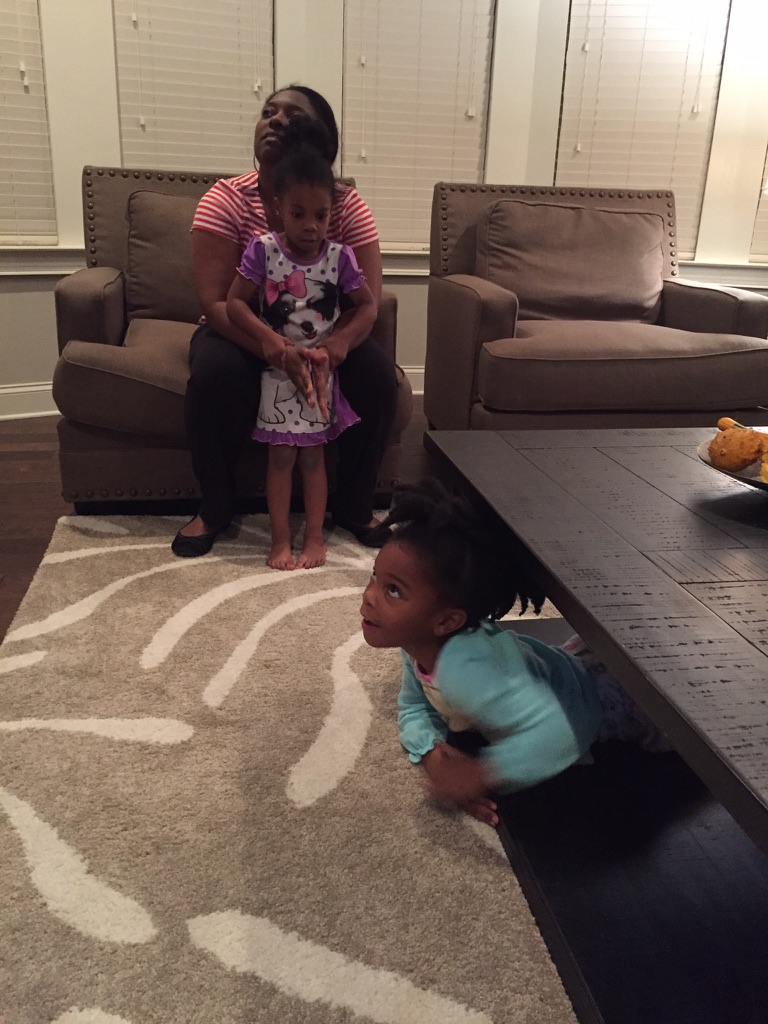
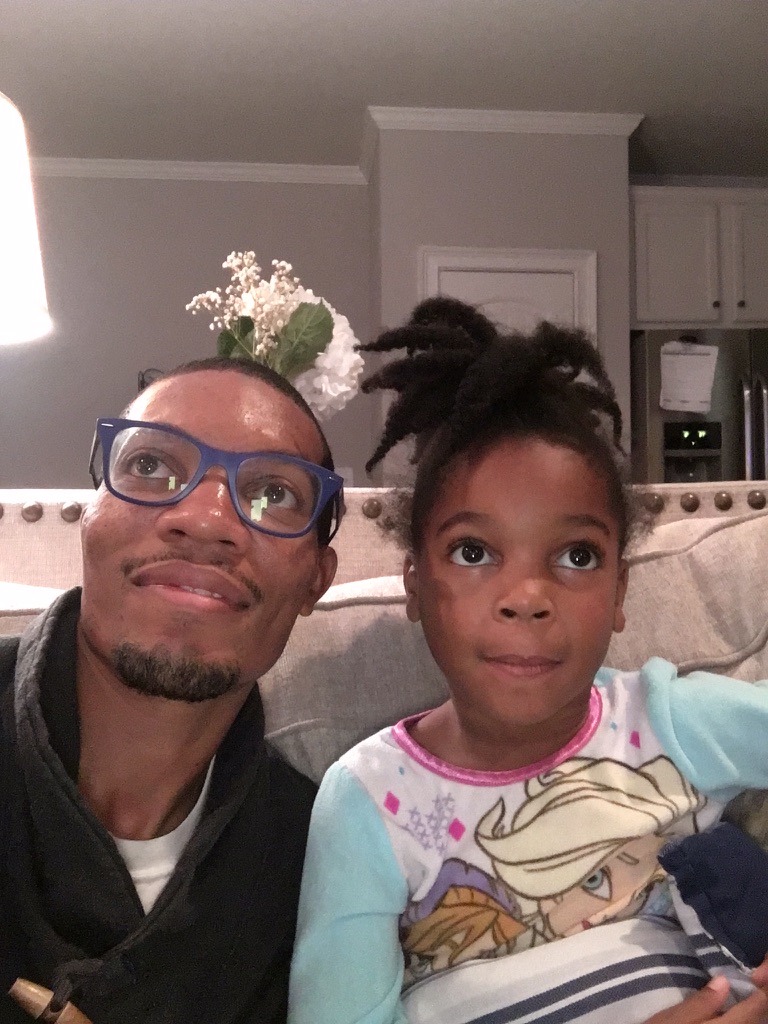
2016 hit differently though. By then I was a father of three daughters, the youngest just over a year old. After eight years of our first trailblazing president, I was expecting to witness a different kind of history. I even let the girls stay up with me to watch the returns (by then a regular pastime of mine for midterms and presidential elections). It didn’t take long into the evening to realize we would not, in fact, be witnessing the election of our first female president. Instead, Donald “Trumpet,” as my then five-year-old called him, would win and usher in a new political era.
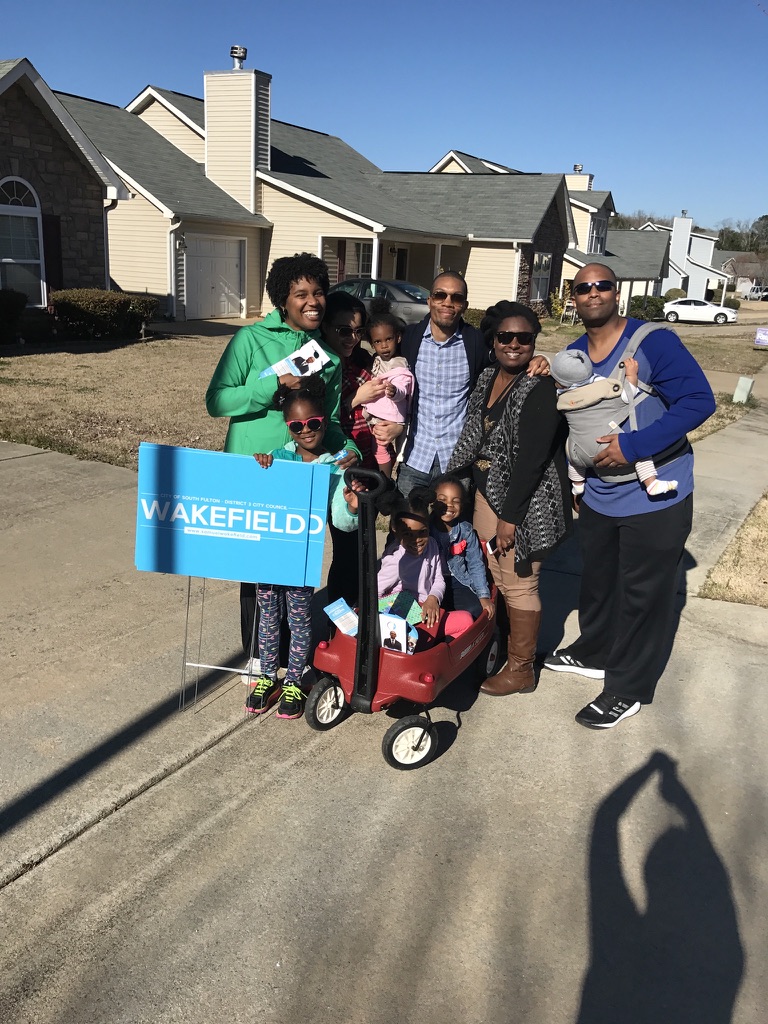
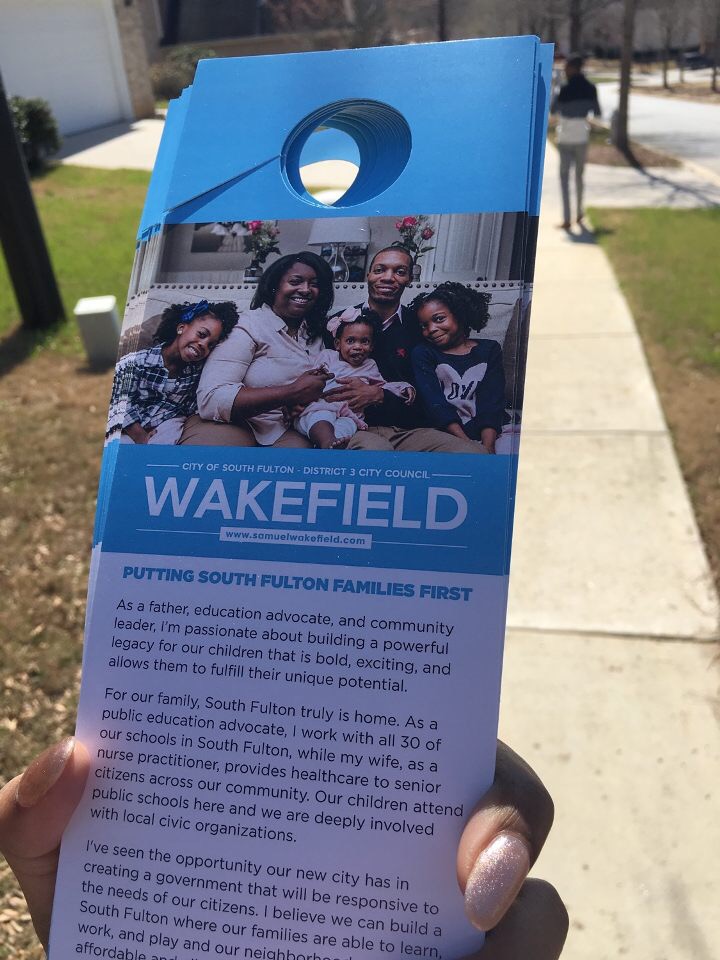
I was disappointed. But afterward I listened to a speech where Obama charged folks to turn their anger, shock, and disappointment into organizing. Things don’t change until you change them. The next year, I ran for political office for the first time.
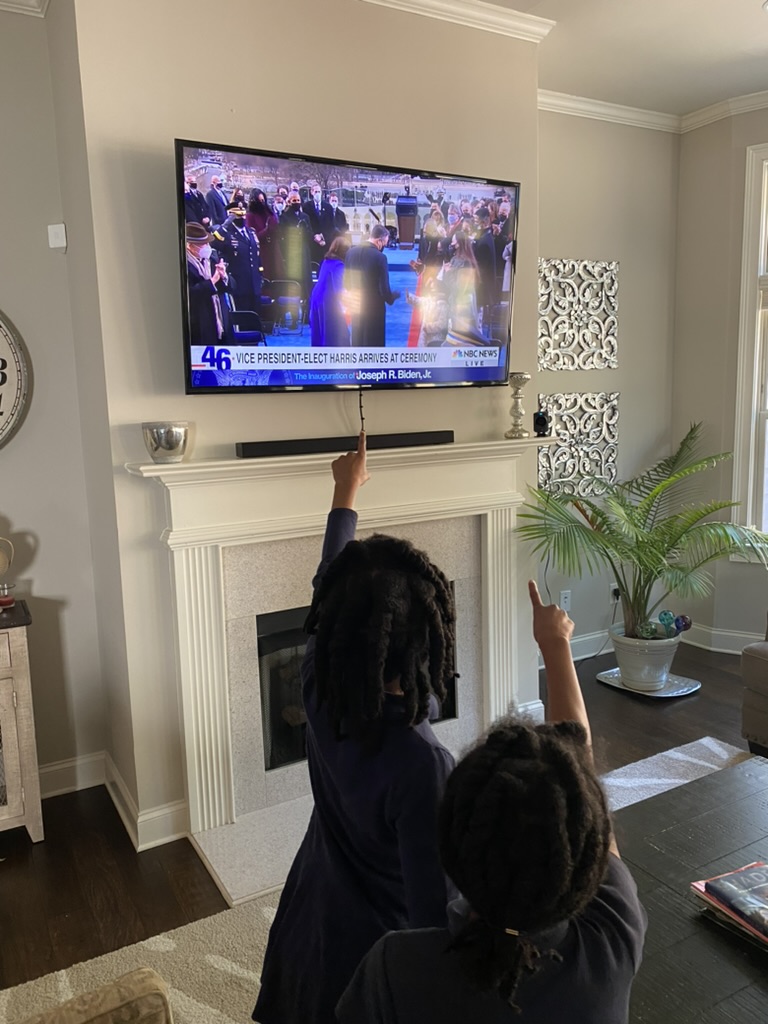
In 2020, I knew things were about to change again. You could feel it in the atmosphere. It was a change election: people were fed up with the constant chaos, and there was pent-up energy from being literally cooped up inside for months. I proudly watched with my girls as the first Black woman became Vice President. We watched the inauguration together, and later, on vacation, we watched the first Black woman be nominated to the Supreme Court. Elections have consequences, and this one certainly did.
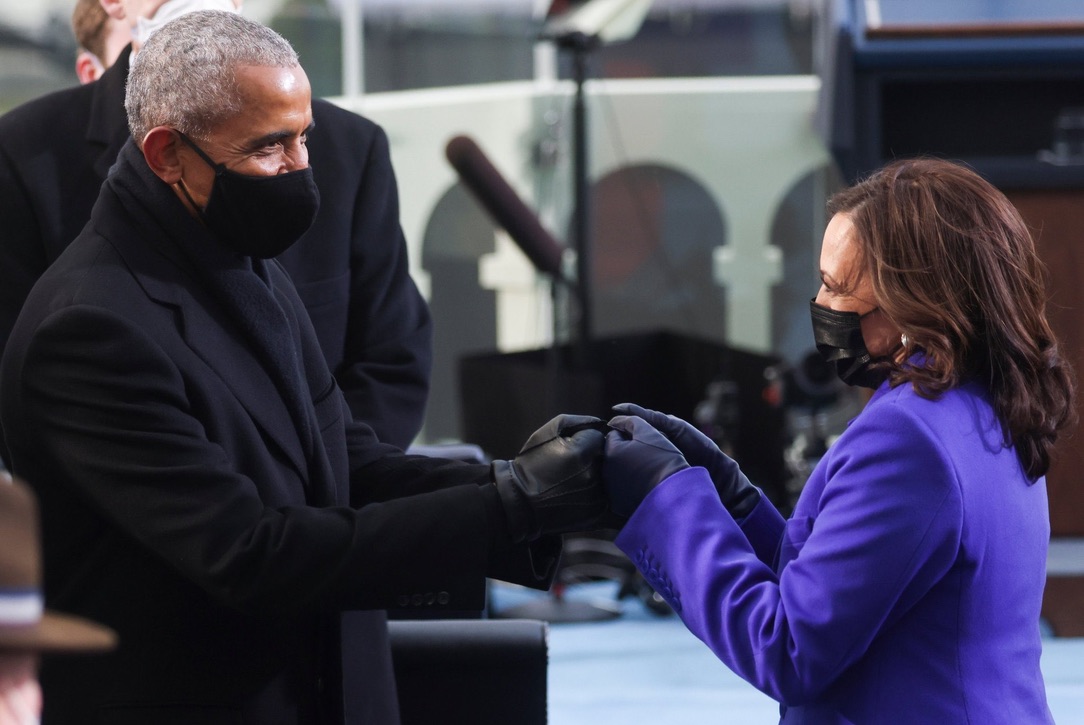
Unfortunately, 2024 brought one of the swiftest Black-lashes we’ve seen in generations. So swift it felt post-Reconstruction swift. Like every good pendulum swing, our society collectively decided to backpedal on much of the progress made for working families: on child poverty through the expanded child tax credit, on healthcare through the expanded Affordable Care Act credits, on racial equity after the social justice protests, and in so many other areas.
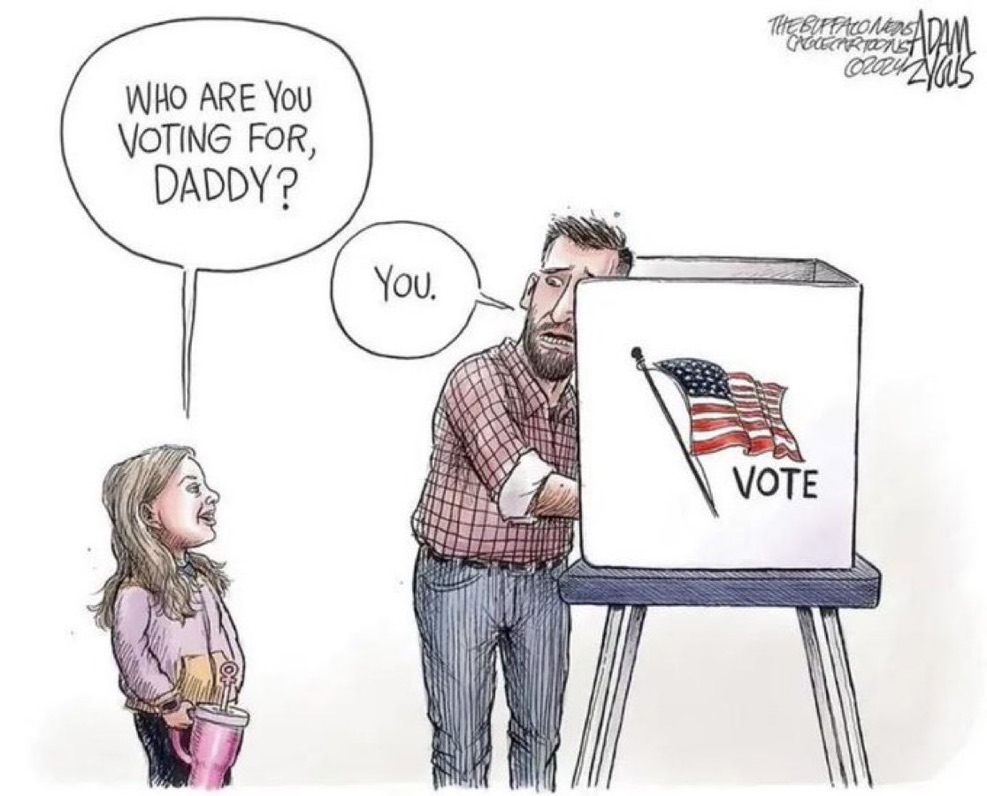
We were in Costa Rica on a family vacation in the summer of 2024 when we learned that Joe Biden, after a disastrous debate performance, would not run for re-election. Suddenly, in the span of 107 days, Vice President Harris raised over $1 billion and nearly pulled off an unprecedented, shorthanded campaign. She took a lot of heat for the loss. She was the candidate, after all, and ultimately the American people chose Trump over her.
After the election, I did my own reflecting: poring over data, reading think pieces, talking with other politicos. I couldn’t stop wondering, what might happen if we actually supported Black women, the organizers and backbone of our movements and local parties, the way they consistently show up for us?
2024 was also the year I ran for office a second time, for a state House seat in the Georgia General Assembly. It was my first time running as a member of a political party (didn’t care much for that). But through canvassing, town halls, fundraising, and everything in between, I learned so much more about the political process, including what needs fixing. I saw a gap in enthusiasm and participation among people in my own community. That’s what led me to the work I do today with Black Horizons, growing the next generation of civic leaders. And that brings us to the 2026 midterms.
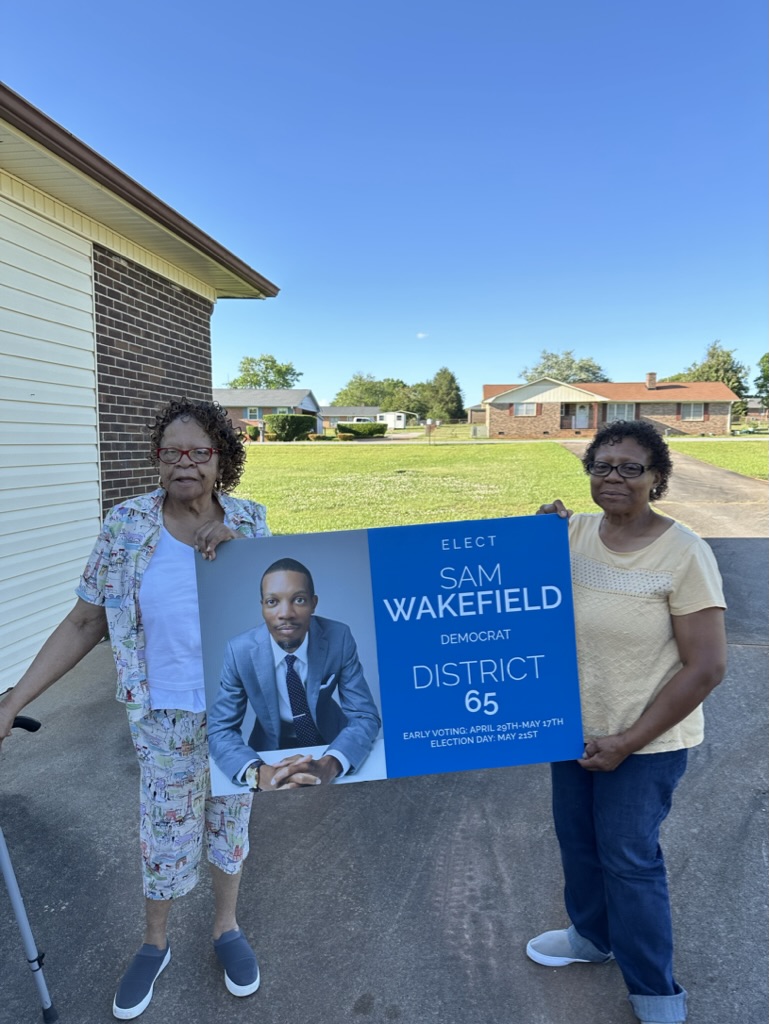
It’s not a coincidence that in my home state, on the ballot this November are former Atlanta Mayor Keisha Lance Bottoms for governor, Judge Penny Brown Reynolds for secretary of state, state Rep. Tanya Miller for attorney general, Katherine Juhan-Arnold for agriculture commissioner, state Rep. Keisha Sean Waites for insurance commissioner, Nikki Porcher for labor commissioner, Dr. Lydia Powell for state school superintendent and Shelia Edwards for Public Service Commission. Add in Carolyn Hugley the state’s party leader under the gold dome, and suddenly you have the makings of a sweep in statewide and legislative leadership for Black women. Now the question remains, who will show up to the polls?
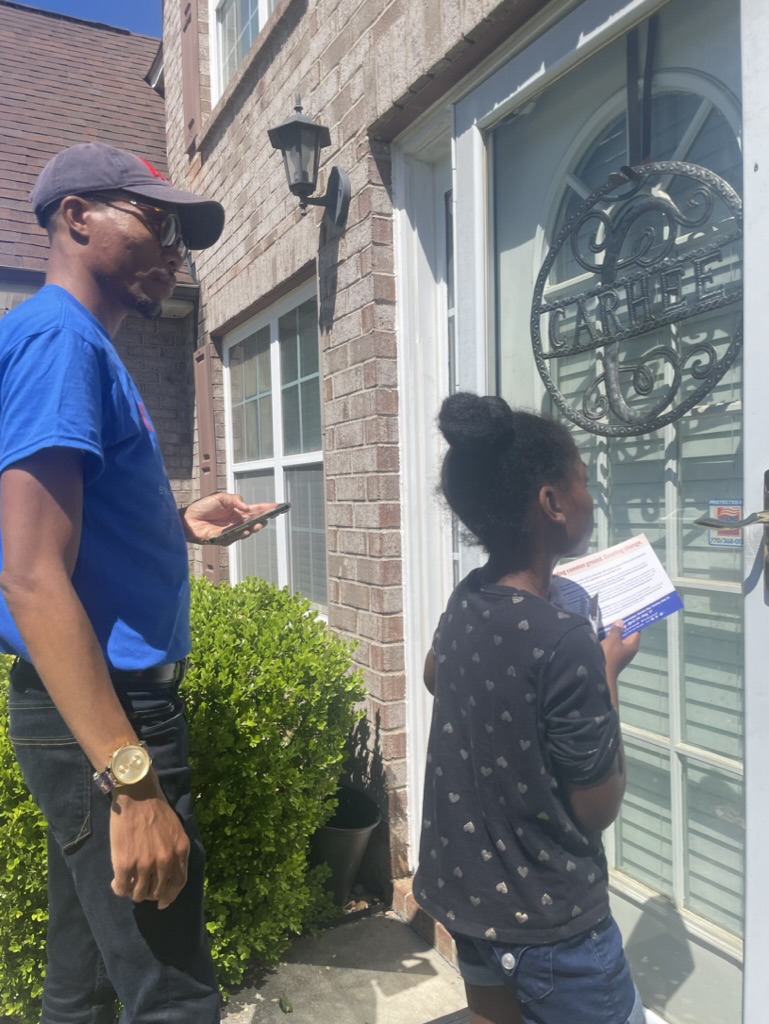
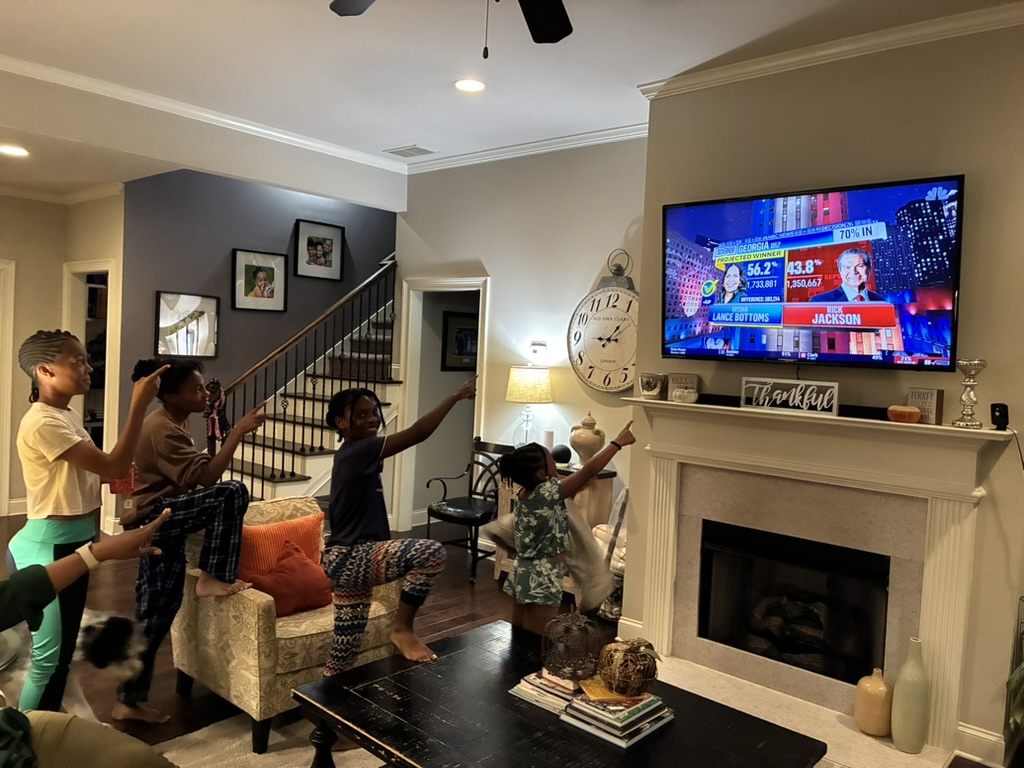
This morning, as Election Day began, I told the girls that regardless of what happens, today will be historic. So, like we’ve done the last few cycles, we’ll watch the returns together and talk about what they mean. Two years ago, they stood outside a voting precinct waving signs. They’ve knocked on doors, hung mailers, and dragged themselves to public events to smile and shake hands with voters. We’re still searching for our first campaign win. But what they’re learning along the way is what it means to be a citizen.
I can’t wait to see what they do with it.
PS: Turns out last night was historic after all.
SDW3

